Sea of Cortez
The Sea of Cortez: Jacques Cousteau's Aquarium of the World Explained
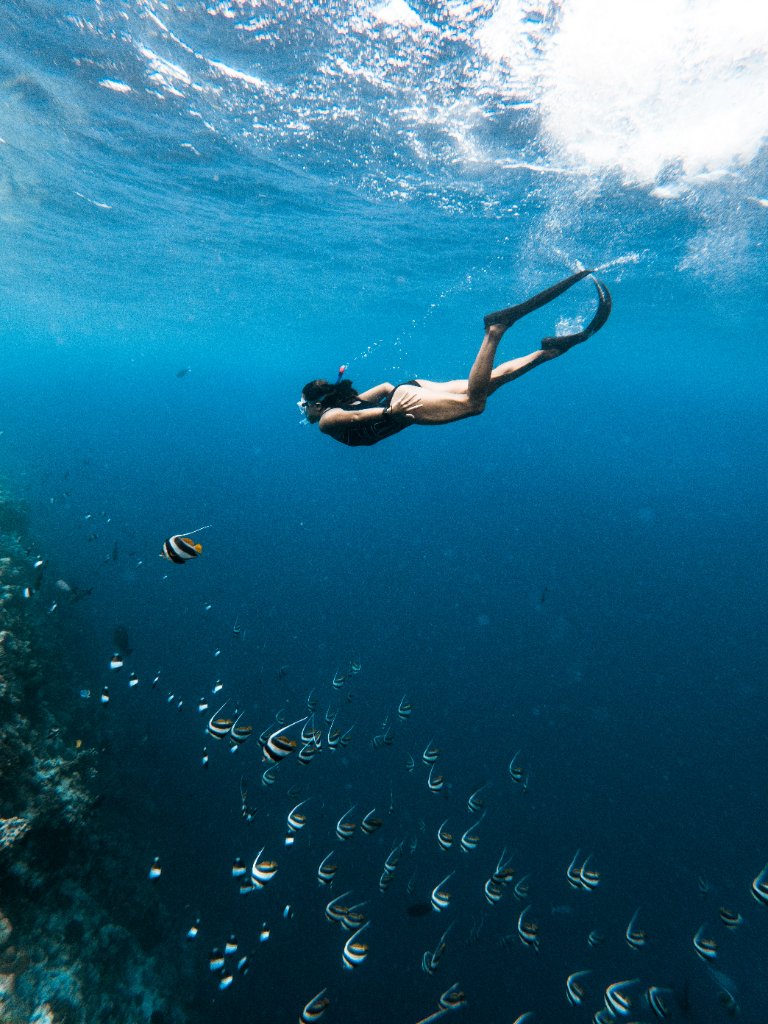
The Sea of Cortez, known in Mexico as the Gulf of California, is one of the most biologically diverse marine environments on the planet. Legendary ocean explorer Jacques Cousteau famously called it 'the Aquarium of the World,' and the designation is well earned. This guide explains what makes the Sea of Cortez so extraordinary and how to experience it from Los Cabos.
What Is the Sea of Cortez?
The Sea of Cortez is a body of water located between the Baja California Peninsula and mainland Mexico. It covers approximately 62,000 square miles and stretches over 700 miles from north to south. The sea is bordered by the Mexican states of Baja California, Baja California Sur, Sonora, and Sinaloa.
Los Cabos sits at the southern tip of the Baja Peninsula, where the Sea of Cortez meets the Pacific Ocean. This unique geographic position gives visitors access to both bodies of water and the remarkable marine life that thrives where they converge.
Why Jacques Cousteau Called It the Aquarium of the World
Jacques Cousteau, the legendary French oceanographer and filmmaker, explored the Sea of Cortez in the 1940s and was astounded by its biodiversity. He gave it the nickname 'the Aquarium of the World' because no other sea of its size contains such a richness of marine species.
The Sea of Cortez is home to:
This extraordinary biodiversity is the result of several factors: the sea's isolation from other major bodies of water, the dramatic variation in water temperature from north to south, the complex underwater topography, and the nutrient-rich upwelling currents that support the food chain.
Marine Life of the Sea of Cortez
The Sea of Cortez supports an extraordinary variety of marine life, from microscopic plankton to the largest whales on Earth.
**Whales and Dolphins** — The Sea of Cortez is home to approximately one-third of the world's cetacean species. Humpback whales, gray whales, blue whales, fin whales, Bryde's whales, sperm whales, and orcas are all found here. Numerous dolphin species including bottlenose, common, and spinner dolphins are present year-round.
**Sea Turtles** — Five of the world's eight sea turtle species inhabit the Sea of Cortez: leatherback, loggerhead, green, hawksbill, and olive ridley. Several of these are endangered and protected under Mexican law.
**Manta Rays and Mobula Rays** — The Sea of Cortez is famous for its ray populations. Giant manta rays with wingspans up to 20 feet are found in the southern Sea of Cortez. Mobula rays, known for their spectacular breaching behavior, gather in massive schools.
**Sharks** — Over 30 shark species inhabit the Sea of Cortez, including whale sharks (the largest fish in the world), hammerheads, tiger sharks, and silky sharks. Whale shark encounters are possible in the La Paz area.
**Reef Fish** — The rocky reefs and coral formations support hundreds of fish species including parrotfish, angelfish, butterflyfish, wrasses, and groupers.
**Sea Lions** — Large sea lion colonies are found on several islands in the Sea of Cortez, most notably at Espiritu Santo Island near La Paz.
Cabo Pulmo National Park: The Crown Jewel
Cabo Pulmo National Park, located approximately 60 miles north of Cabo San Lucas on the East Cape, is one of the most successful marine conservation stories in the world. It is a UNESCO World Heritage Site and a model for marine protected areas.
Cabo Pulmo contains the only living coral reef system in the Gulf of California and one of only three coral reefs in North America. The park covers approximately 27 square miles and was established as a protected area in 1995.
In the years following its protection, fish biomass increased by over 460%, making it one of the most successful marine reserves on the planet. Today, Cabo Pulmo offers world-class snorkeling and diving with large schools of fish, sea turtles, rays, and occasional shark sightings.
A day trip to Cabo Pulmo from Los Cabos is one of the most rewarding experiences available to visitors. The journey takes approximately 90 minutes by car, and the snorkeling and diving are exceptional.
Best Snorkeling and Diving Spots Accessible from Los Cabos
**Santa Maria Beach** — A protected cove along the tourist corridor with calm, clear water and abundant fish. Excellent for snorkelers of all levels. The beach has facilities and is easily accessible.
**Chileno Bay** — Another excellent snorkeling spot along the corridor with a rocky reef that attracts diverse marine life. Calm conditions make it ideal for families.
**Pelican Rock** — Located near the Cabo San Lucas Marina and El Arco, this is a convenient snorkeling spot accessible by water taxi or yacht charter. Depth ranges from 10 to 70 feet.
**Land's End and Neptune's Finger** — Advanced dive sites near El Arco with dramatic underwater topography and the chance to see sea lions, rays, and large pelagic fish.
**Cabo Pulmo** — The premier snorkeling and diving destination, offering the richest marine life in the region. A full-day trip from Los Cabos.
**Gordo Banks** — An advanced dive site for experienced divers, known for hammerhead sharks and large pelagic species.
How to Experience the Sea of Cortez from Los Cabos
**Private Yacht Charter** — The most flexible and comfortable way to explore the Sea of Cortez. A private charter allows you to visit multiple snorkeling spots, enjoy lunch on deck, and explore at your own pace. Full-day charters can reach Cabo Pulmo and the East Cape.
**Snorkeling Tours** — Dedicated snorkeling tours depart from Cabo San Lucas Marina and visit Chileno Bay, Santa Maria Beach, and other spots along the corridor.
**Scuba Diving** — Several dive shops in Cabo San Lucas offer certification courses, introductory dives, and advanced dives at sites including Cabo Pulmo, Gordo Banks, and Land's End.
**Multi-Day Expeditions** — For the ultimate Sea of Cortez experience, multi-day yacht charters can explore the remote islands north of La Paz including Espiritu Santo, where you can swim with sea lions and snorkel in pristine bays.
Conservation and Responsible Tourism
The Sea of Cortez's biodiversity faces threats from overfishing, coastal development, and climate change. Visitors can help protect this extraordinary ecosystem by following these principles.
Frequently Asked Questions
Why is the Sea of Cortez called the Aquarium of the World?
Jacques Cousteau gave the Sea of Cortez this nickname because it contains one of the highest levels of marine biodiversity of any body of water its size in the world, with over 900 fish species and one-third of all marine mammal species.
Can you snorkel in the Sea of Cortez from Los Cabos?
Yes. Excellent snorkeling is available along the corridor between Cabo San Lucas and San José del Cabo at Chileno Bay and Santa Maria Beach. For the best snorkeling, take a day trip to Cabo Pulmo National Park.
Is Cabo Pulmo worth visiting?
Absolutely. Cabo Pulmo is one of the most successful marine protected areas in the world and offers snorkeling and diving that rivals any destination in North America. It is a full-day trip from Los Cabos but is widely considered one of the best experiences available in the region.
What is the best time to visit the Sea of Cortez for snorkeling?
April through June offers the calmest seas and best water visibility. Water temperatures are warmest from July through October. Whale watching season runs from December through April.
Are there dangerous animals in the Sea of Cortez?
Sharks are present but attacks on humans are extremely rare. Stingrays can be found in sandy areas — shuffle your feet when wading to avoid stepping on them. Jellyfish are occasionally present, particularly in late summer.
The Sea of Cortez is a natural treasure that offers some of the most rewarding marine experiences in the world. From the convenience of Los Cabos, visitors can access this extraordinary ecosystem and witness firsthand why Jacques Cousteau considered it the greatest aquarium on Earth.
Ready to experience Los Cabos from the water?
Let our local experts help you find the perfect vessel for your group.