Fishing
Sportfishing in Los Cabos: The Complete Guide to Marlin, Tuna & Dorado
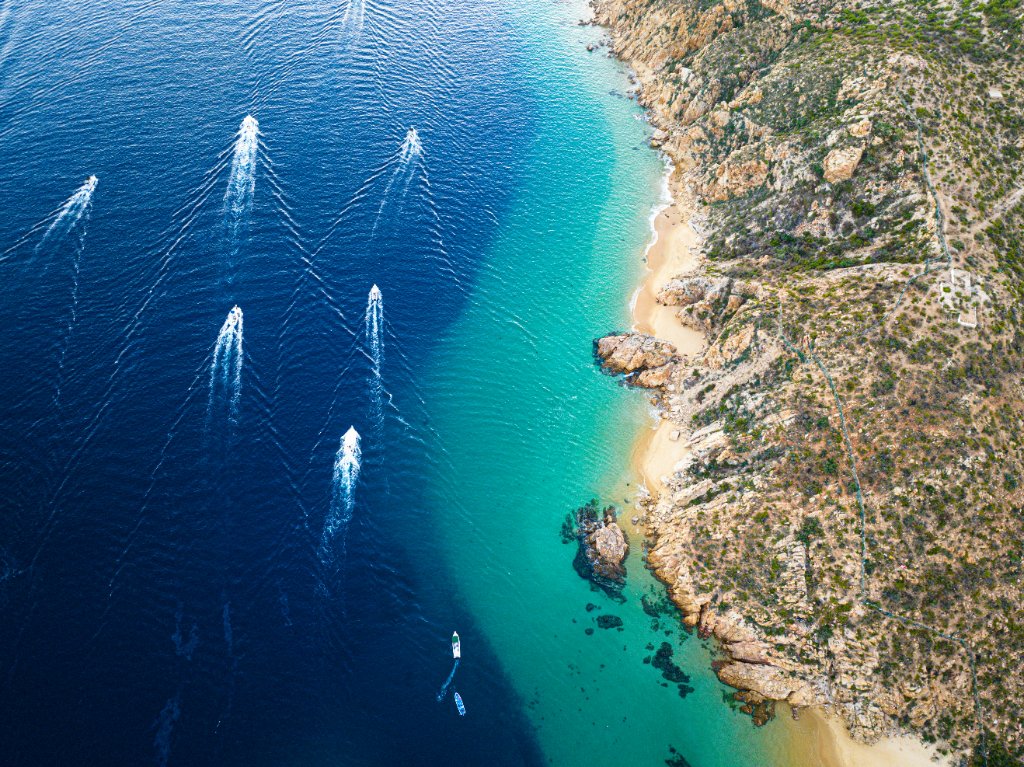
Los Cabos is widely recognized as one of the world's premier sportfishing destinations. The unique geography where the Pacific Ocean meets the Sea of Cortez creates nutrient-rich waters that attract an extraordinary diversity of game fish. This guide covers everything you need to plan a successful sportfishing trip in Los Cabos.
Why Los Cabos Is the Marlin Capital of the World
The waters off Los Cabos sit at the confluence of two major bodies of water. The Pacific Ocean brings cold, nutrient-rich currents from the north, while the Sea of Cortez provides warm, tropical waters. This collision of currents creates an upwelling of nutrients that supports an abundant food chain — from plankton to baitfish to apex predators.
The underwater topography also plays a role. The continental shelf drops off sharply just a few miles from the Cabo San Lucas coastline, meaning deep-water game fish are accessible within a short boat ride. The famous Golden Gate Bank, Jaime Bank, and Gorda Banks are all within 12 miles of the marina.
Los Cabos holds several world records and hosts major tournaments including the Bisbee's Los Cabos Offshore and the Bisbee's Black & Blue, which collectively offer millions of dollars in prize money each October.
Key Sportfish Species in Los Cabos
**Striped Marlin** — The signature species of Los Cabos. Striped marlin are present year-round but peak from November through March. They typically weigh 100–200 pounds and are known for their acrobatic fights. Striped marlin are the most commonly caught billfish in Cabo.
**Blue Marlin** — Larger and more powerful than striped marlin, blue marlin can exceed 500 pounds. They are most common from June through October, with peak months in July and August.
**Black Marlin** — The largest of the marlin species, black marlin can weigh over 1,000 pounds. They are less common than blue or striped marlin but are caught primarily in late summer and fall.
**Yellowfin Tuna** — One of the most prized game fish in the world. Yellowfin tuna in Los Cabos range from 20-pound footballs to 300-pound giants. The best season is July through November, with the largest fish caught at the Gorda Banks and Iman Bank.
**Dorado (Mahi-Mahi)** — One of the most colorful and abundant game fish in Los Cabos. Dorado are present year-round but peak from May through October. They typically weigh 10–40 pounds and are excellent table fare.
**Wahoo** — One of the fastest fish in the ocean, wahoo are prized for their speed and excellent meat. They are most common from October through December and again in spring.
**Roosterfish** — An inshore species prized for its distinctive appearance and strong fight. Roosterfish are available year-round along the beaches and rocky points of the East Cape and the corridor.
**Yellowtail Amberjack** — A strong-fighting fish most common in winter and spring, particularly around the rocky reefs and banks.
Sportfishing Seasons in Los Cabos
While Los Cabos offers year-round fishing, different species peak at different times.
**Winter (December–March)** — Striped marlin, yellowtail, sierra, roosterfish, and wahoo. This is peak season for striped marlin, with large numbers congregating at the Golden Gate and Jaime Banks.
**Spring (April–June)** — Striped marlin, yellowfin tuna, dorado, roosterfish, and wahoo. Water temperatures rise and pelagic species become more active.
**Summer (July–September)** — Blue marlin, black marlin, yellowfin tuna, dorado, and sailfish. This is the peak season for large blue marlin and big yellowfin tuna. Water temperatures reach the mid-80s.
**Fall (October–November)** — All species. This is tournament season and arguably the best overall fishing period. Blue marlin, striped marlin, tuna, and dorado are all abundant.
Fishing Grounds and Banks
**Golden Gate Bank** — Located approximately 12 miles north of Cabo San Lucas on the Pacific side. One of the most productive striped marlin grounds in the world, particularly in winter.
**Jaime Bank** — Located 8 miles southwest of Cabo San Lucas. Productive for striped marlin, yellowfin tuna, and dorado.
**Gorda Banks** — Located on the Sea of Cortez side, approximately 20 miles northeast of Cabo San Lucas. Famous for yellowfin tuna and blue marlin in summer and fall.
**Iman Bank** — Located between Cabo San Lucas and the Gorda Banks. Productive for yellowfin tuna and dorado.
**Inner and Outer Banks** — Productive grounds for various species depending on the season.
**Inshore Waters** — The rocky coastline from Cabo San Lucas to the East Cape offers excellent roosterfish, jack crevalle, and snapper fishing.
Types of Fishing Charters
**Shared Charters** — You join other anglers on a shared boat. More affordable but less flexible. Typically 6–8 hours.
**Private Sportfishing Charters** — You charter the entire boat with crew. Full flexibility on departure time, target species, and itinerary. Available in half-day (4 hours), full-day (8 hours), and extended formats.
**Luxury Fishing Yachts** — Larger vessels (50+ feet) with air-conditioned cabins, galleys, and sleeping quarters. Ideal for serious anglers who want comfort during full-day or multi-day trips.
**Tournament Charters** — Specialized charters for anglers participating in tournaments like Bisbee's. These include experienced tournament crews and tournament-grade equipment.
What's Included in a Fishing Charter
Most private fishing charters in Los Cabos include the following.
Some charters include lunch; others allow you to bring your own or arrange catering. Always confirm what is included when booking.
Catch and Release Practices
Los Cabos has a strong catch-and-release culture, particularly for billfish. Most reputable charter operations release all marlin and sailfish unless the fish is a potential record or is kept for mounting. Dorado, tuna, wahoo, and yellowtail are commonly kept for consumption.
Many restaurants in Cabo San Lucas will cook your catch for you — a popular tradition known as 'catch of the day.' Ask your charter company for restaurant recommendations.
Frequently Asked Questions
Do I need a fishing license in Los Cabos?
Yes. All anglers fishing in Mexican waters need a valid Mexican fishing license. Most charter companies include licenses in their pricing or can arrange them for you.
What is the best month for fishing in Los Cabos?
October and November offer the best overall fishing, with all major species active. For striped marlin specifically, January and February are peak months. For blue marlin and large tuna, July through September is best.
Can I keep the fish I catch?
Yes, within Mexican regulations. Billfish are typically released. Edible species like dorado, tuna, and wahoo can be kept, and many local restaurants will cook your catch.
What should I bring on a fishing charter?
Bring sunscreen, a hat, polarized sunglasses, a light jacket, comfortable non-marking shoes, and a cooler for your catch if you plan to keep fish. Motion sickness medication is recommended if you are prone to seasickness.
How far offshore do we go?
Most fishing grounds are within 5–20 miles of Cabo San Lucas Marina. Travel time to the fishing grounds is typically 30–60 minutes.
Los Cabos offers world-class sportfishing accessible to both novice and experienced anglers. With year-round action, diverse species, and professional charter operations, it is a destination that should be on every angler's list.
Ready to experience Los Cabos from the water?
Let our local experts help you find the perfect vessel for your group.