Whale Watching
Whale Watching in Los Cabos: The Complete 2026 Guide to Humpback & Gray Whales
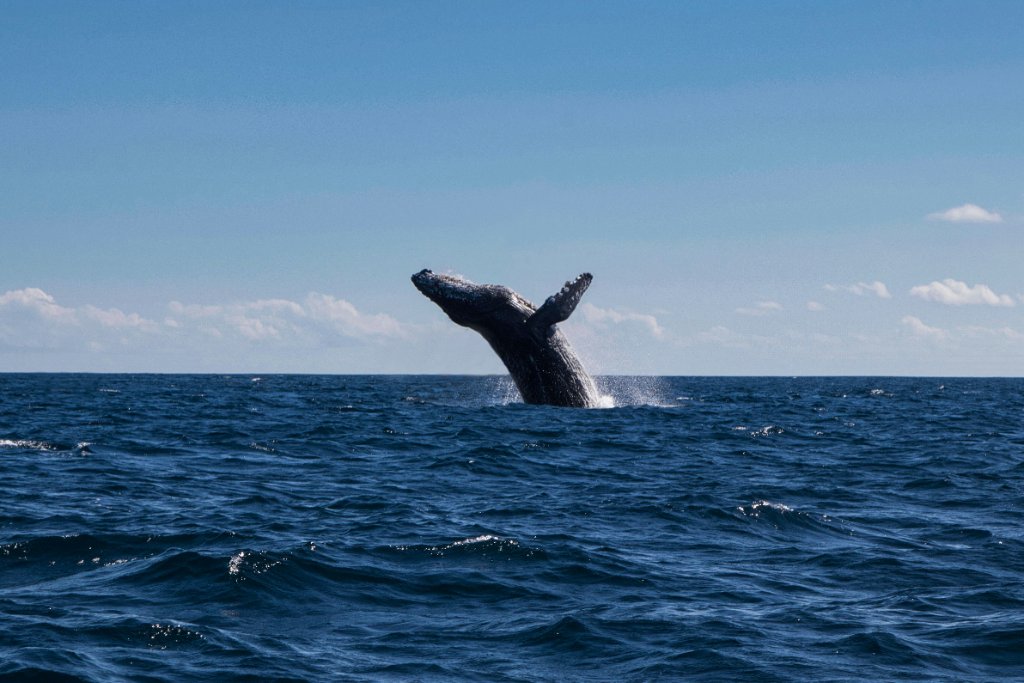
Los Cabos is one of the world's great whale watching destinations. Each year, thousands of whales migrate from their feeding grounds in the Arctic to the warm, protected waters of Baja California Sur to breed, calve, and nurse their young. This guide covers everything you need to plan an unforgettable whale watching experience in Los Cabos.
Which Whales Can You See in Los Cabos?
Los Cabos is home to several whale species throughout the year, but the peak watching season runs from December through April.
**Humpback Whales** — The most commonly sighted and most spectacular species in Los Cabos. Humpbacks are famous for their acrobatic breaching, tail slapping (lobtailing), and pectoral fin waving. Adult humpbacks measure 40–50 feet and weigh up to 40 tons. They are the stars of the Los Cabos whale watching season.
**Gray Whales** — Gray whales migrate to the shallow lagoons of Baja California — primarily Magdalena Bay, San Ignacio Lagoon, and Ojo de Liebre — to calve. While they are less commonly seen in the open waters around Cabo San Lucas, they can be spotted during their migration. Gray whales are known for their curiosity and sometimes approach boats closely.
**Blue Whales** — The largest animal ever to live on Earth, blue whales are occasionally spotted in the deeper waters of the Sea of Cortez, particularly in spring. Sightings are rare but extraordinary.
**Fin Whales and Bryde's Whales** — These smaller baleen whales are present year-round in the Sea of Cortez and are spotted more frequently than blue whales.
**Orcas (Killer Whales)** — Orcas are occasionally seen in Los Cabos waters year-round, particularly when hunting dolphins or other marine mammals.
When Is the Best Time for Whale Watching in Los Cabos?
Whale watching season in Los Cabos runs from mid-December through mid-April, with peak activity in January, February, and March.
**December** — Whales begin arriving. Early-season sightings are common but less predictable. Fewer crowds.
**January–February** — Peak season. Maximum whale numbers, active breeding behavior, and frequent breaching displays. Book charters well in advance.
**March** — Peak season continues. Mothers with newborn calves begin appearing. Excellent for close encounters.
**April** — Whales begin their northward migration. Sightings still common but tapering off. Calves are more active and visible.
Why Choose a Private Yacht for Whale Watching?
While dedicated whale watching tour boats operate from Cabo San Lucas Marina, a private yacht charter offers several distinct advantages.
Whale Behavior You May Witness
Understanding whale behavior enhances your watching experience. Here are the most common displays you may see.
**Breaching** — The whale launches its entire body out of the water and crashes back down. Scientists believe breaching may serve as communication, parasite removal, or play. Humpbacks breach more frequently than other species.
**Tail Slapping (Lobtailing)** — The whale raises its tail flukes and slaps them against the water surface, creating a loud sound that can travel for miles.
**Pectoral Fin Slapping** — The whale slaps its long pectoral fin against the water. Humpback pectoral fins can reach 15 feet in length.
**Spyhopping** — The whale raises its head vertically above the surface to observe its surroundings.
**Blowing (Spouting)** — The whale exhales through its blowhole, creating a visible spray. The shape and height of the blow can help identify the species.
**Fluke Diving** — The whale raises its tail flukes above the water before a deep dive, providing an iconic photo opportunity.
Whale Watching Regulations in Los Cabos
Mexico has strict regulations to protect whales during their breeding season. All licensed whale watching vessels must follow these rules.
These regulations ensure that whale watching does not disturb the animals during their critical breeding and calving season. Reputable charter companies strictly adhere to these rules.
What to Bring on a Whale Watching Charter
Frequently Asked Questions
Is whale watching guaranteed?
No. Whales are wild animals and sightings cannot be guaranteed. However, during peak season (January–March), the probability of seeing whales on a private charter is extremely high — often exceeding 95%.
How close can we get to the whales?
Mexican regulations require vessels to maintain a minimum distance of 60 meters. However, whales frequently approach vessels on their own, and close encounters do happen.
What is the best month for whale watching in Los Cabos?
February is generally considered the best month, with the highest concentration of whales and the most active behavior. January and March are also excellent.
Can children go whale watching?
Yes. Whale watching is suitable for all ages. Private yachts with enclosed cabins are recommended for families with young children.
Is whale watching better from a private yacht or a tour boat?
Private yachts offer a superior experience with more comfort, flexibility, and better viewing opportunities. Tour boats are more affordable but operate on fixed schedules with larger crowds.
Whale watching in Los Cabos is a once-in-a-lifetime experience. The combination of dramatic breaching displays, warm winter weather, and stunning coastal scenery makes it one of the most memorable activities available in Baja California Sur.
Ready to experience Los Cabos from the water?
Let our local experts help you find the perfect vessel for your group.